The True Cost of False Alarms Beyond the Obvious Fine
When your alarm system triggers unnecessarily, the immediate thought often centres on avoiding a potential fine. In NSW, false alarm penalties can range in cost and be expensive for repeated offences, depending on your local council regulations. However, these monetary penalties represent only a fraction of the actual costs your business or home incurs with each false activation.
The hidden financial burden accumulates through wasted monitoring centre resources, unnecessary patrol callouts, and diverted emergency response personnel who could be attending genuine incidents. For businesses, false alarms also mean staff interruptions, lost productivity, and potential reputational damage with neighbouring properties or commercial centres. Insurance premiums may increase when excessive false alarms are recorded, and some monitoring providers impose additional charges after a threshold of unverified activations is reached.
Perhaps most concerning is the erosion of confidence in your security system itself. When false alarms become routine, property owners and staff begin to dismiss alerts as nuisances rather than genuine threats. This desensitisation creates a dangerous gap in your actual security posture—the very protection you invested in becomes compromised through repeated false positives. Understanding the full scope of these costs is the first step toward implementing effective solutions that protect both your investment and your peace of mind.
How False Alarms Compromise Your Actual Security Response
The psychological impact of repeated false alarms extends far beyond inconvenience. Each time an alarm activates without cause, it reinforces the notion that the system cannot be trusted. Staff members become reluctant to respond urgently, security personnel may delay their physical response, and monitoring centre operators may unconsciously deprioritise future alerts from your property. This phenomenon, known as alarm fatigue, fundamentally undermines the rapid response capability that forms the cornerstone of effective security.
For businesses with multiple staff members, false alarms create confusion about proper protocols. Employees may begin disabling systems prematurely, bypassing security zones, or failing to arm systems correctly out of concern for triggering yet another false activation. These workarounds create genuine vulnerabilities that sophisticated intruders can potentially exploit. The very behaviours designed to avoid false alarms inadvertently compromise your actual security coverage.
Emergency services face similar challenges. Fire brigades and police departments maintain databases of properties with repeated false alarm histories. Whilst professional responders always treat each call seriously, the documented pattern of false activations can influence resource allocation decisions during high-demand periods. Your property may receive a slower response when competing with other verified emergencies—precisely when you need rapid assistance most. Reducing false alarms isn't simply about avoiding fines; it's about maintaining the integrity and effectiveness of your entire security response chain.
Common Culprits Behind Unnecessary Alarm Activations
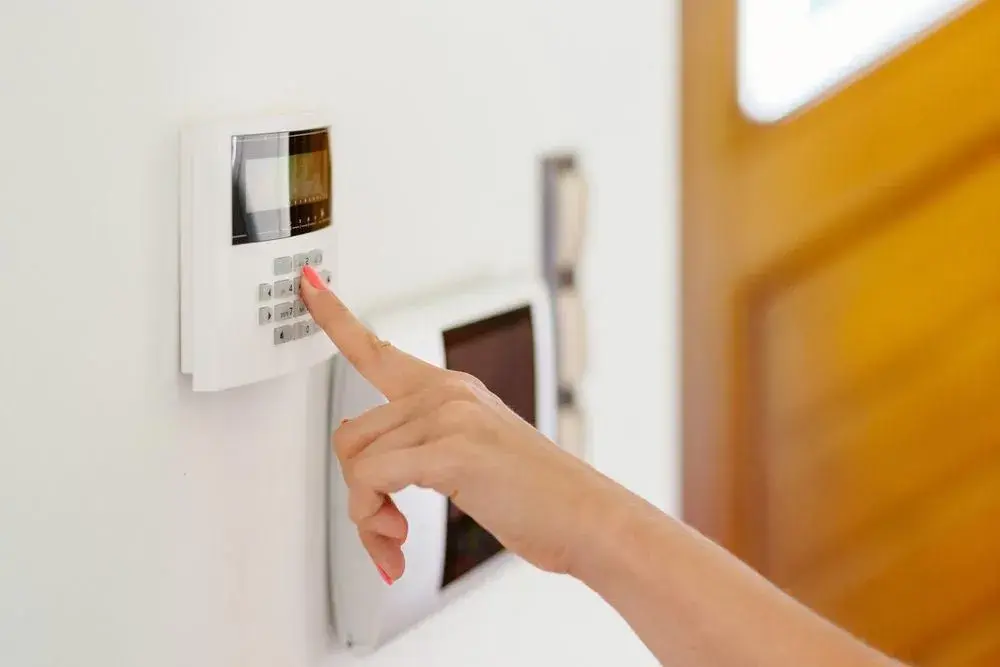
Understanding why your alarm keeps going off requires examining the most frequent causes affecting both residential and commercial properties across Northern NSW. User error remains the leading factor, accounting for approximately 80% of false alarms. This includes incorrect code entry, failure to disarm systems promptly after entry, or staff members unaware of proper arming procedures. In commercial environments with multiple users, inadequate training and unclear protocols significantly increase the likelihood of accidental activations.
Environmental factors contribute substantially to false alarm rates, particularly in regional areas experiencing extreme temperature fluctuations, dust, and wildlife activity. Motion sensors positioned near air conditioning vents may detect rapid temperature changes and interpret them as movement. Insects or spiders building webs across sensor lenses can trigger activations, whilst balloons, curtains, or loose signage moving in airflow create false motion detection. For properties with pets, standard motion sensors often activate when animals move through monitored zones, despite owners believing their systems are pet-friendly.
Equipment-related issues develop over time through normal wear, environmental exposure, or inadequate maintenance. Ageing sensors become more sensitive and prone to false triggers. Loose door and window contacts may activate from vibrations rather than actual opening. Wireless devices with low batteries send erratic signals that monitoring centres interpret as alarm conditions. Poor installation practices, such as sensors positioned incorrectly or inadequate zones configuration, create ongoing false alarm challenges that persist until professionally addressed. Additionally, connectivity issues—particularly relevant as properties transition to NBN networks—can generate communication failures that appear as alarm activations to monitoring centres.
Smart Technology Solutions That Verify Before Alerting
Modern security technology has evolved specifically to address false alarm challenges through intelligent verification methods that confirm genuine threats before initiating full alarm protocols. Video verification represents one of the most effective advances, integrating CCTV surveillance directly with alarm systems. When a sensor activates, cameras automatically capture footage of the specific zone, allowing monitoring centre operators to visually confirm whether an actual intrusion is occurring or if the activation resulted from a false trigger. This verification happens within seconds, enabling informed decisions about emergency response.
Advanced analytics built into contemporary surveillance systems provide another layer of intelligent filtering. Smart CCTV cameras equipped with line crossing detection, intrusion detection, and object classification can differentiate between humans, vehicles, and animals. These systems significantly reduce false activations by ignoring movements that don't match defined threat profiles. Audio detection capabilities identify specific sounds like breaking glass or forced entry, providing additional verification beyond motion alone. Face detection technology can recognise authorised personnel, automatically suppressing alarms when approved individuals access monitored areas.
Integration between access control and alarm systems creates context-aware security that adapts to legitimate activity. When staff members use authorised access credentials to enter buildings, the system automatically adjusts alarm zones and delays activation timers appropriately. Cloud-based platforms enable real-time communication between security components, mobile devices, and monitoring centres, ensuring everyone receives accurate information simultaneously. The Pocket Secure app, for example, allows property owners to view live footage, verify alarm causes, and communicate directly with monitoring operators—all from their smartphone. These intelligent systems don't simply detect; they analyse, verify, and respond appropriately to each situation, dramatically reducing false alarms whilst maintaining robust security coverage.
Practical Steps to Minimise False Alarms and Protect What Matters
Reducing false alarms requires a systematic approach combining proper equipment selection, professional installation, comprehensive training, and ongoing maintenance. Begin with a thorough security assessment conducted by experienced professionals who understand the unique demands of Northern NSW properties. This evaluation identifies potential false alarm triggers specific to your environment—whether coastal conditions, rural wildlife exposure, or operational patterns that might conflict with security protocols. Properly specified systems with high-quality sensors from trusted brands like Bosch and Hills Reliance provide reliable detection whilst minimising false activations.
Comprehensive user training represents perhaps the most impactful step you can take immediately. Ensure all staff members, family members, and authorised users understand correct arming and disarming procedures, know their unique access codes, and recognise proper entry and exit timing requirements. Document clear protocols for different scenarios, including opening procedures, closing routines, and after-hours access. For commercial properties, implement regular refresher training as staff turnover occurs and maintain updated contact lists with monitoring centres. Consider designating security champions within your organisation who receive advanced training and serve as first-line support for questions.
Establish a proactive maintenance schedule rather than waiting for problems to develop. Regular system testing identifies developing issues before they cause false alarms—weak batteries, misaligned sensors, or communication problems that might otherwise trigger unnecessary activations. Professional service visits should include cleaning sensor lenses, checking all contact points, verifying wireless signal strength, and updating system firmware. For properties with pets, ensure sensors are specifically configured with appropriate sensitivity settings and positioning to accommodate animal movement without compromising security coverage.
Finally, leverage modern technology to create verification layers within your security system. Enable video verification features if your system includes integrated surveillance. Configure smart notifications that send alerts with accompanying images directly to your mobile device, allowing you to assess situations before full alarm protocols activate. Utilise remote access capabilities to monitor your property and communicate with monitoring centres when activations occur. These practical steps, combined with ongoing partnership with a dedicated local security provider offering 24/7 support, create a reliable system that protects what matters most whilst minimising the costly disruption and risks associated with false alarms.