Protecting vulnerable care workers who work alone requires specialised monitoring solutions that ensure rapid response when emergencies arise.
Understanding the Unique Safety Challenges Facing Lone Workers in Aged Care and NDIS Settings
Aged care and NDIS support workers across regional NSW face distinctive workplace safety challenges that set them apart from other industries. These dedicated professionals regularly work alone in clients' homes, often in isolated rural areas, where they provide essential personal care, medical assistance, and disability support. The nature of this work places them in vulnerable positions—entering unfamiliar environments, managing clients who may exhibit unpredictable behaviour, and navigating situations where communication with supervisors or emergency services may be difficult.
The risks are varied and significant. Care workers may encounter aggressive or confused clients, particularly those with dementia or cognitive impairments. They work in homes where environmental hazards such as unrestrained animals, poor lighting, or structural issues pose additional threats. Medical emergencies can occur suddenly, requiring immediate assistance not just for the client but potentially for the worker themselves. In regional and remote areas of NSW, these challenges are compounded by distance from emergency services, limited mobile coverage, and the reality that help may be 30 minutes or more away.
For aged care and NDIS providers, the duty of care extends beyond clients to encompass the safety and wellbeing of staff. With workers dispersed across wide geographic areas and operating independently for extended periods, traditional supervision methods prove inadequate. Providers require robust systems that maintain continuous connection with lone workers, enable rapid emergency response, and provide verifiable evidence of worker safety—all whilst respecting client privacy and maintaining the dignity of care environments.
Essential Features of Effective Lone Worker Monitoring Systems for Care Providers
An effective lone worker monitoring system for aged care and NDIS providers must deliver comprehensive protection whilst remaining unobtrusive and easy to use in fast-paced care environments. The foundation of any reliable system is real-time connectivity that maintains constant communication between field workers and monitoring centres, even in areas with challenging mobile coverage. GPS tracking capabilities allow providers to verify worker locations, ensure they've arrived safely at appointments, and dispatch assistance to precise locations when emergencies occur.
Check-in functionality represents another critical component, enabling workers to confirm their safety at scheduled intervals throughout their shifts. When a check-in is missed, the system should automatically escalate alerts to supervisors and monitoring personnel. This automated escalation ensures that even if a worker becomes incapacitated and unable to call for help, their absence is detected quickly. For regional NSW providers, systems must function reliably across various network conditions, with backup communication methods when primary mobile networks are unavailable.
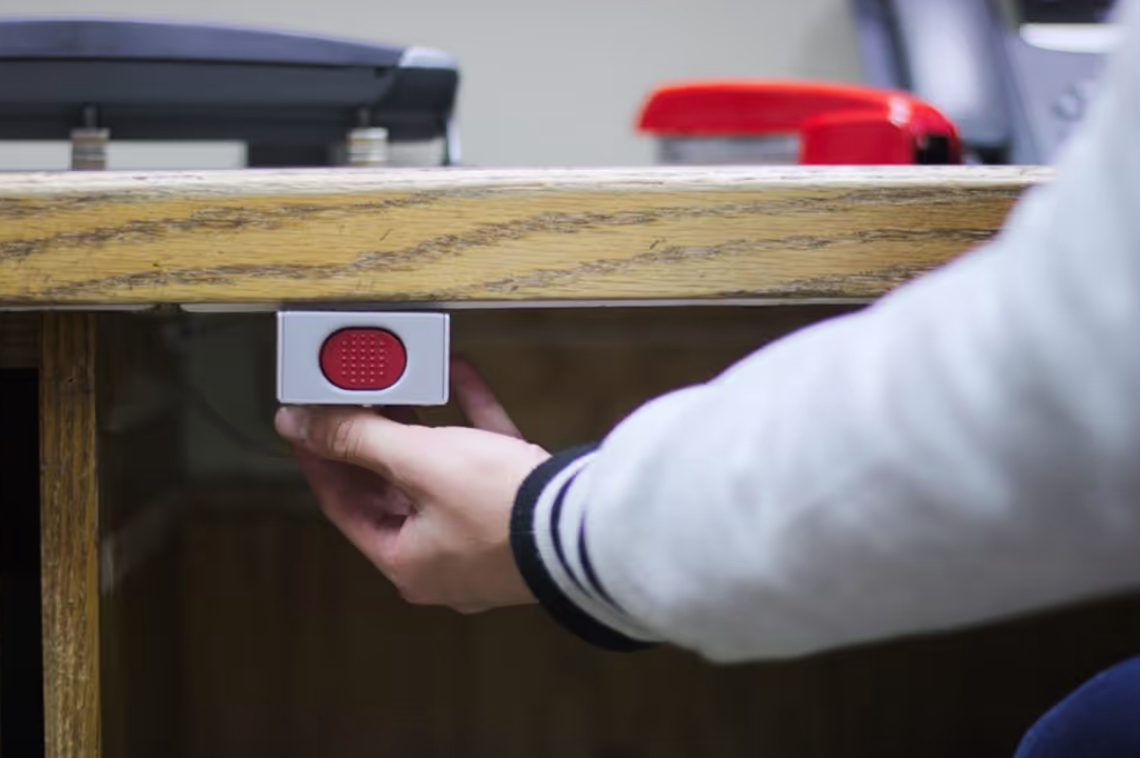
Modern lone worker solutions should integrate seamlessly with existing scheduling and rostering systems, allowing providers to correlate worker locations with appointment schedules and identify discrepancies. Discrete duress activation is essential—workers need the ability to trigger silent alarms without alerting potentially aggressive clients or escalating volatile situations. The best systems offer multiple activation methods, including smartphone apps, wearable devices, and dedicated panic buttons that workers can carry discreetly.
Importantly, effective monitoring systems must balance security with usability. Complex systems that require extensive training or frequent interaction will be abandoned under the pressures of busy care schedules. Solutions designed specifically for the aged care and NDIS sectors recognise that workers need protection that operates reliably in the background, activates instantly when needed, and doesn't interfere with the compassionate, person-centred care they're providing.
How Duress and Panic Systems Provide Rapid Emergency Response for Care Workers
Duress and panic alarm systems serve as the critical safety net for aged care and NDIS workers operating alone in clients' homes. These systems function as immediate lifelines, connecting vulnerable workers directly to trained monitoring personnel who can assess situations and coordinate appropriate responses within seconds. When a care worker activates a duress alarm—whether through a wearable device, smartphone application, or discrete button—the alert is transmitted instantly to a professional monitoring centre staffed by operators trained in emergency protocols.
The response process is structured to ensure rapid, appropriate action. Monitoring operators receive the duress alert along with the worker's exact GPS location, client details, and relevant safety information. They attempt immediate voice contact with the worker to assess the situation. If the worker can respond, they provide guidance and coordinate assistance. If there's no response, or if the worker indicates immediate danger, operators follow predetermined escalation protocols—contacting emergency services, alerting supervisors, and potentially dispatching mobile security patrols to the location.
For aged care and NDIS providers in regional NSW, the advantage of local monitoring becomes particularly significant. A monitoring centre, for instance, possesses detailed knowledge of regional geography, understands typical emergency response times across different areas, and maintains established relationships with local police and ambulance services. This local expertise enables more effective coordination than distant, centralised monitoring operations that may lack familiarity with regional conditions and infrastructure.
Advanced duress systems offer tiered alert capabilities that allow workers to signal different levels of concern. A 'welfare check' request might indicate they'd like someone to call and check on them, whilst a full duress activation signals immediate danger. Some systems incorporate 'man down' detection technology that automatically triggers alerts if sensors detect a fall or prolonged lack of movement—critical for situations where a worker suffers a medical emergency or injury and cannot manually activate an alarm. Voice monitoring features, where monitoring centres can discreetly listen to ambient audio after an alert, help operators assess situations and determine whether police, ambulance, or other emergency services are required.
Meeting WHS Compliance Requirements and Duty of Care Obligations in NSW
Aged care and NDIS providers in NSW operate under rigorous workplace health and safety legislation that establishes clear obligations to protect workers from reasonably foreseeable risks. The Work Health and Safety Act 2011 (NSW) places a primary duty of care on employers to ensure, so far as is reasonably practicable, the health and safety of workers. For organisations deploying staff to work alone in clients' homes, this duty explicitly extends to implementing systems that monitor worker welfare and enable rapid emergency response.
SafeWork NSW guidelines on managing risks of remote and isolated work specify that employers must assess the risks associated with working alone, implement control measures to eliminate or minimise those risks, and establish effective communication systems. For aged care and NDIS providers, this translates to documented risk assessments for lone worker scenarios, clear protocols for worker check-ins and welfare monitoring, and proven emergency response procedures. Failure to implement adequate lone worker protection systems exposes providers to significant regulatory penalties, increased insurance premiums, and potential prosecution following workplace incidents.
Beyond legislative compliance, NDIS Quality and Safeguards Commission standards impose additional requirements around participant and worker safety. Providers must demonstrate robust systems for identifying, managing, and mitigating risks—including risks to workers delivering supports in participants' homes. The Commission's practice standards explicitly require providers to have incident management systems that ensure appropriate responses to incidents affecting workers, with clear reporting pathways and evidence of systemic improvements following incidents.
Documentation forms a critical component of compliance. Providers must maintain records demonstrating that lone worker monitoring systems are operational, that workers are trained in their use, and that emergency response protocols are tested regularly. This evidence becomes essential during audits, incident investigations, and potential legal proceedings. Modern monitoring systems that automatically log check-ins, alert activations, and response actions provide verifiable audit trails that demonstrate due diligence and support providers in meeting their regulatory obligations. For regional NSW providers managing workers across vast geographic areas, implementing certified monitoring systems with professional oversight represents not just best practice, but an essential element of sustainable, compliant operations.
Implementing Lone Worker Protection Solutions That Support Your Team and Clients
Successful implementation of lone worker monitoring systems in aged care and NDIS settings requires careful planning that balances worker safety, client dignity, and operational practicality. The process begins with comprehensive consultation involving frontline care workers, administrative staff, and client representatives to understand specific risks, workflow considerations, and privacy concerns. Workers who participate in solution selection are more likely to embrace the technology and use it consistently—critical for systems that only provide protection when actively utilised.
The selection of appropriate technology depends on your organisation's specific context. Providers with workers carrying smartphones may implement app-based solutions that integrate check-in functions, GPS tracking, and duress activation into devices workers already use daily. Organisations supporting workers without reliable smartphone access might provide dedicated wearable devices or discrete panic buttons that function independently. For regional NSW operations, solutions must account for variable mobile coverage, with systems that store alert data during coverage gaps and transmit automatically when connectivity is restored.
Training represents the cornerstone of effective implementation. Workers need clear, practical instruction on activating duress alarms, conducting scheduled check-ins, and responding to system prompts. Importantly, training should address the psychological aspects of lone worker safety—encouraging workers to trust their instincts, activate alarms without hesitation when concerned, and understand that false alarms are acceptable outcomes when compared to delayed responses in genuine emergencies. Regular refresher training and simulated emergency drills reinforce proper system use and maintain awareness.
Integration with existing operational systems maximises the value of lone worker monitoring. When monitoring systems connect with rostering software, supervisors receive automatic alerts if workers haven't checked in from scheduled appointments. Integration with client management systems provides monitoring operators with relevant information about client conditions, property hazards, and emergency contacts—enabling more informed, effective responses when duress alarms activate. For growing organisations, scalable cloud-based solutions allow providers to add workers and adjust monitoring parameters as service delivery expands.
Client communication forms another essential implementation consideration. Aged care recipients and NDIS participants deserve transparency about safety systems operating in their homes, balanced with reassurance that monitoring respects their privacy. Clear communication explaining that systems activate only in emergencies, that routine monitoring doesn't involve surveillance of client activities, and that the primary purpose is worker safety helps maintain trust whilst meeting provider obligations. When implemented thoughtfully, with appropriate consultation and ongoing support, lone worker monitoring systems strengthen rather than complicate the relationships between providers, workers, and the clients they serve.